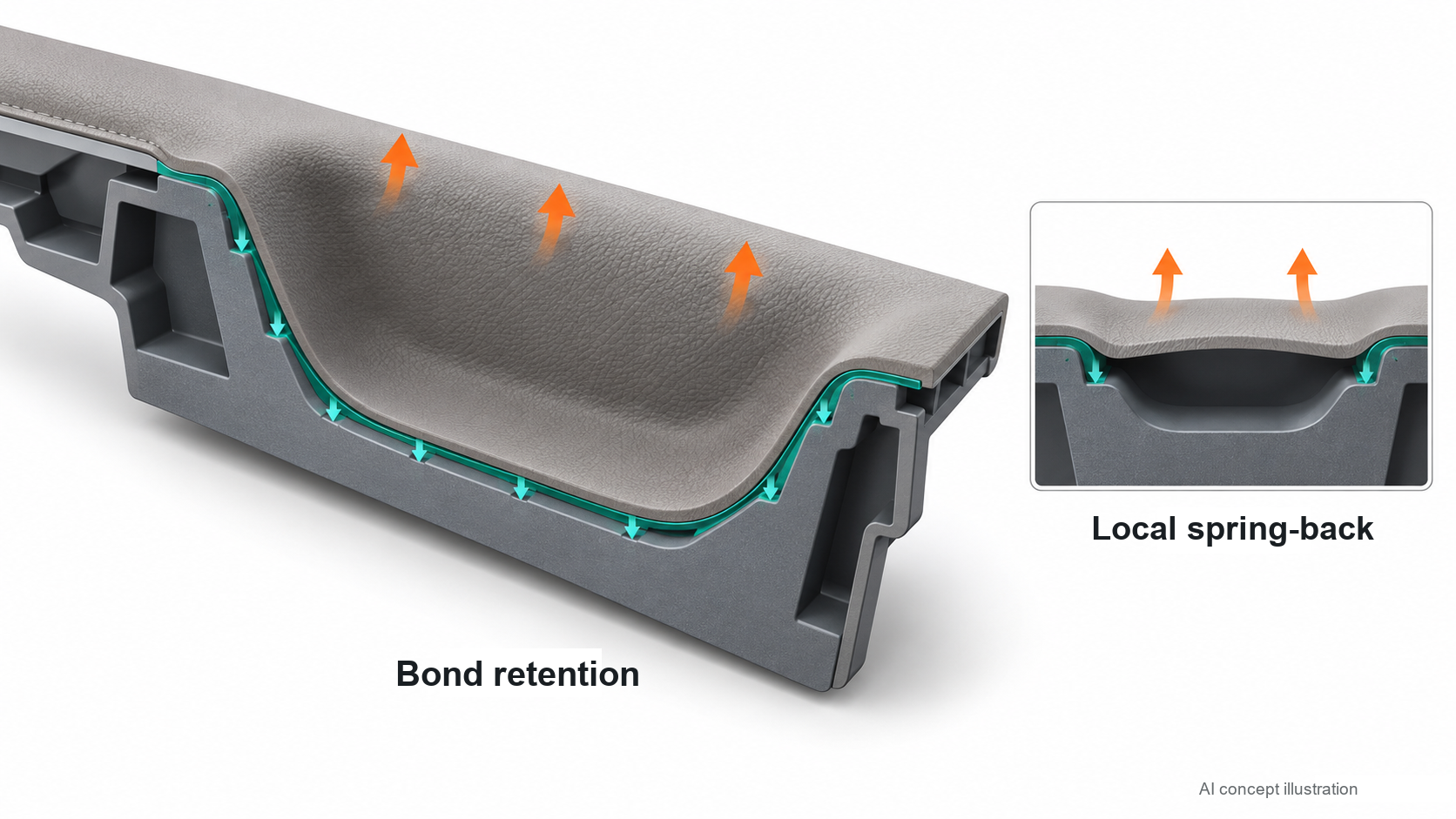
2026-10-01 · R-5670
Initial Tack Comparison of Automotive Interior Wrapping Adhesives
R-5670 leads at 1 and 5 minutes in a three-adhesive peel comparison; FL063 leads at 8 hours. Review conditions and request samples.
Read the technical article →
Start with the question you need to resolve: substrate preparation, bonding process, validation or material selection. These guides help frame project trials; product claims and test conditions should be checked against current technical documents.
2026-10-01 · R-5670
R-5670 leads at 1 and 5 minutes in a three-adhesive peel comparison; FL063 leads at 8 hours. Review conditions and request samples.
Read the technical article →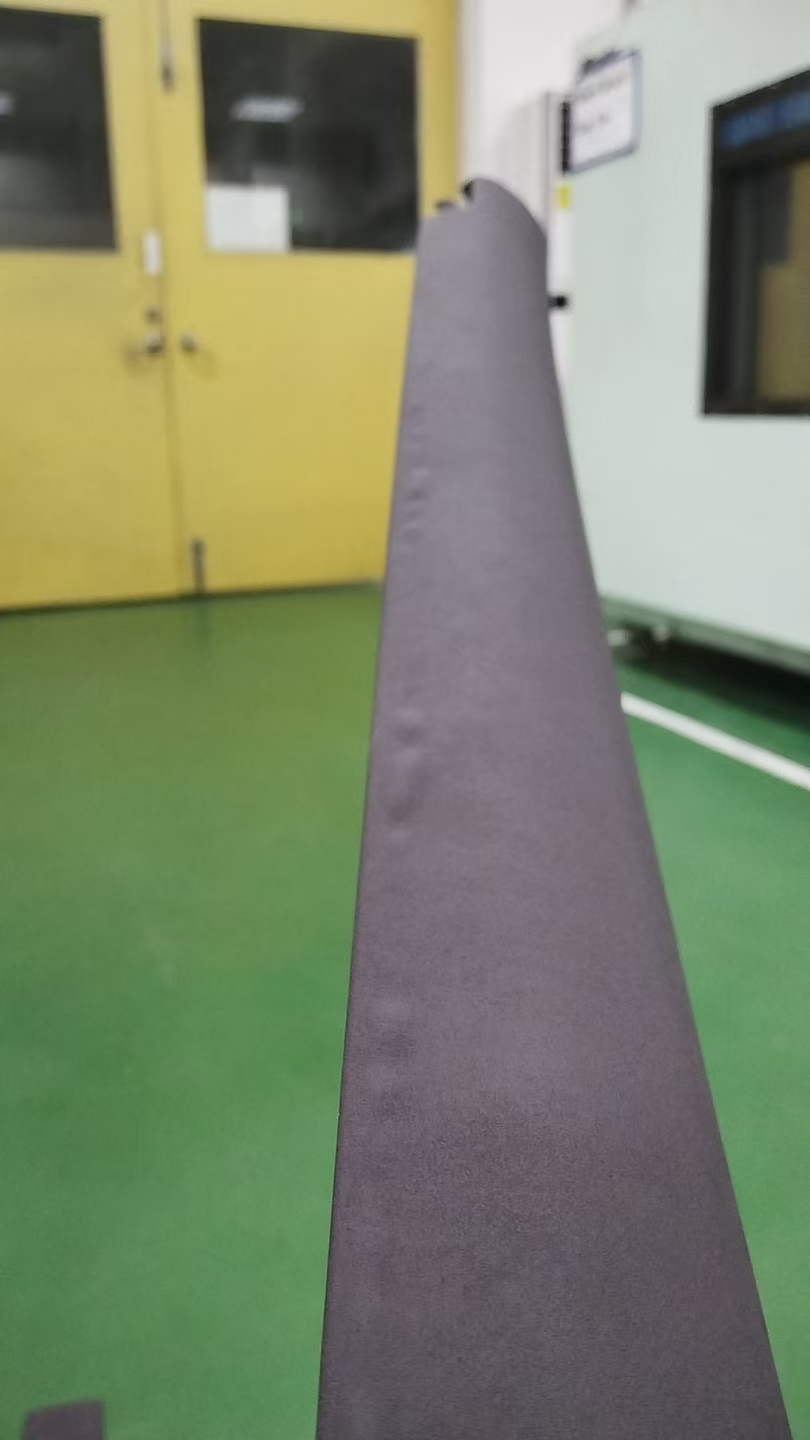
2026-09-30 · R-5670
How RELANET used cross-tests, a revised skin construction and R-5670 + R-60C to resolve door-trim blistering before production release.
Read the technical article →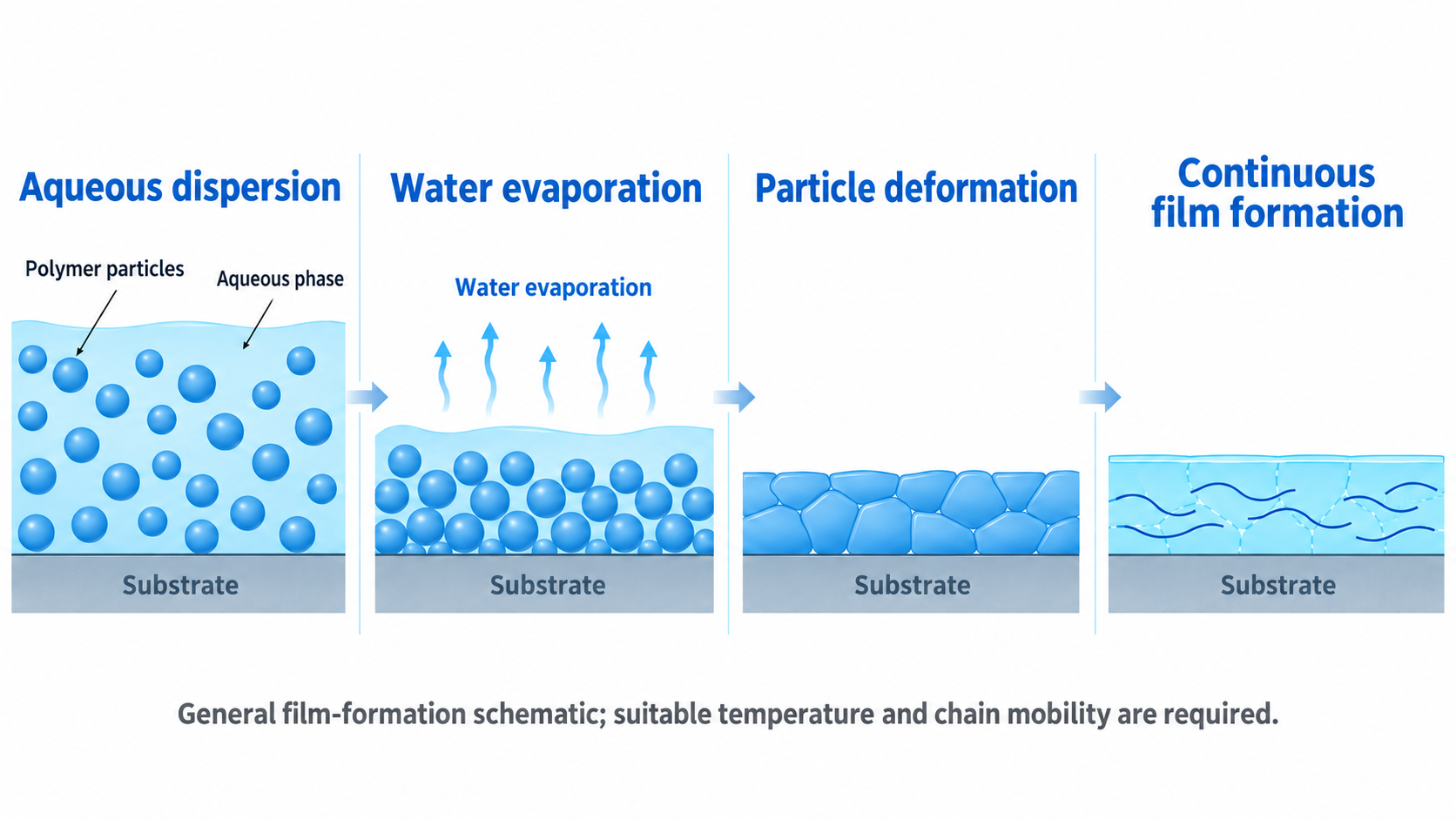
2026-09-27 · R-5610
Explore light scattering, polyurethane structure and film formation in transparent adhesive layers, with RELANET R-5610 process guidance.
Read the technical article →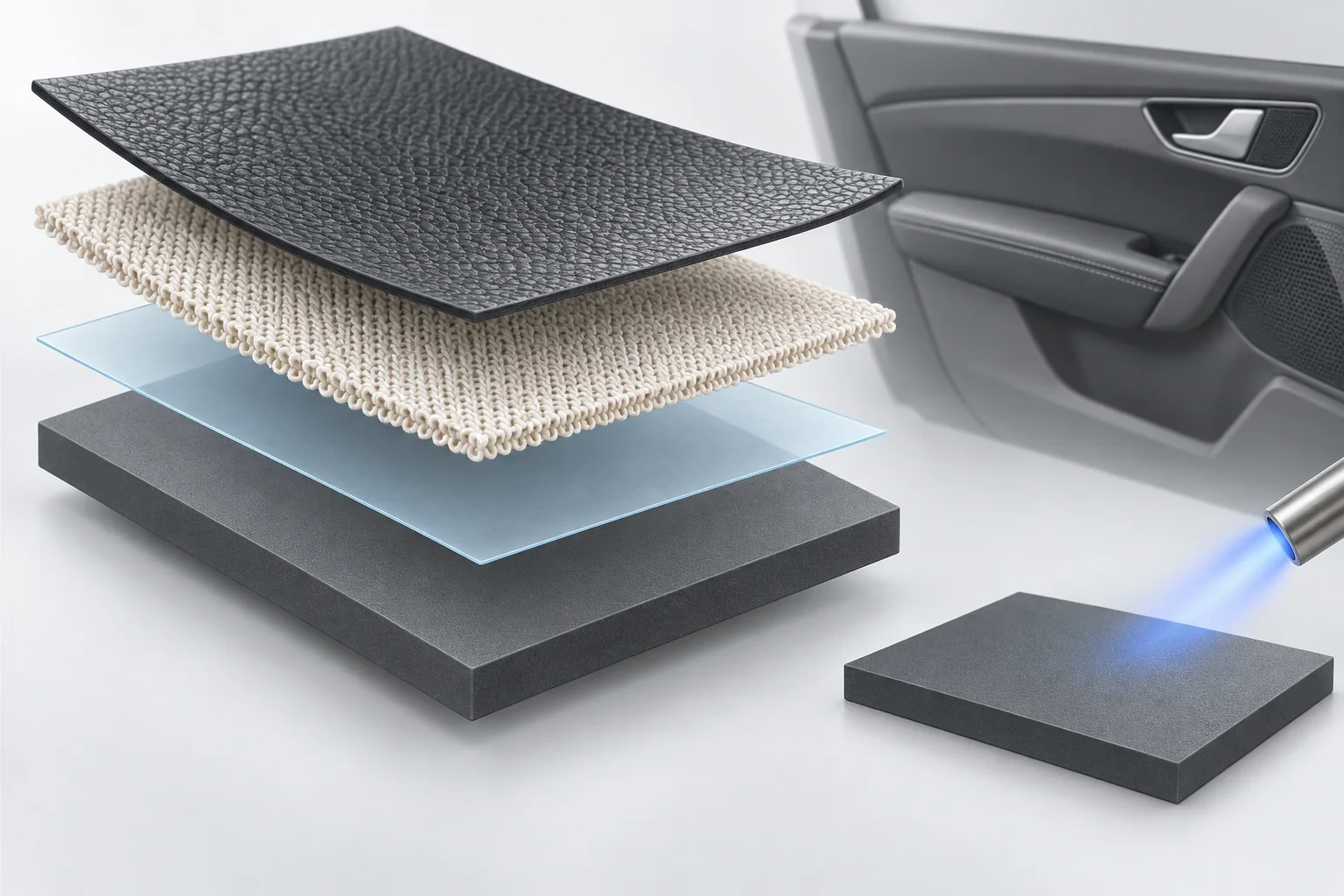
2026-09-20 · R-5670 + R-60C
R-5670/R-60C on PVC-knit/flame-treated PP: average 25 N/25 mm at 1 min; about 60 N/25 mm after 7 days. Review the test conditions.
Read the technical article →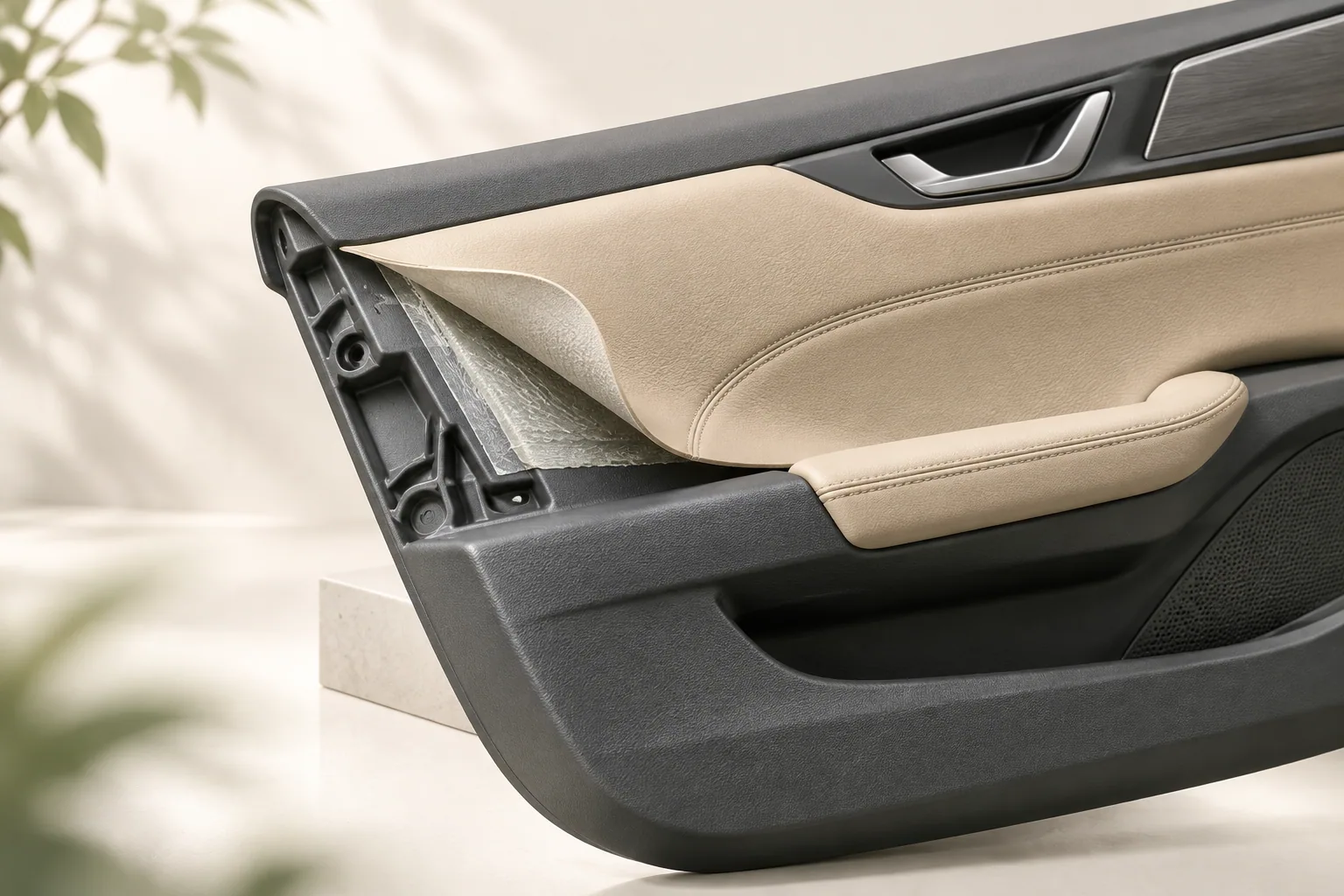
Understand dyne pens, contact angles and primers in automotive bonding. Evaluate RELANET 132 and 162 with actual materials and processes.
Read full article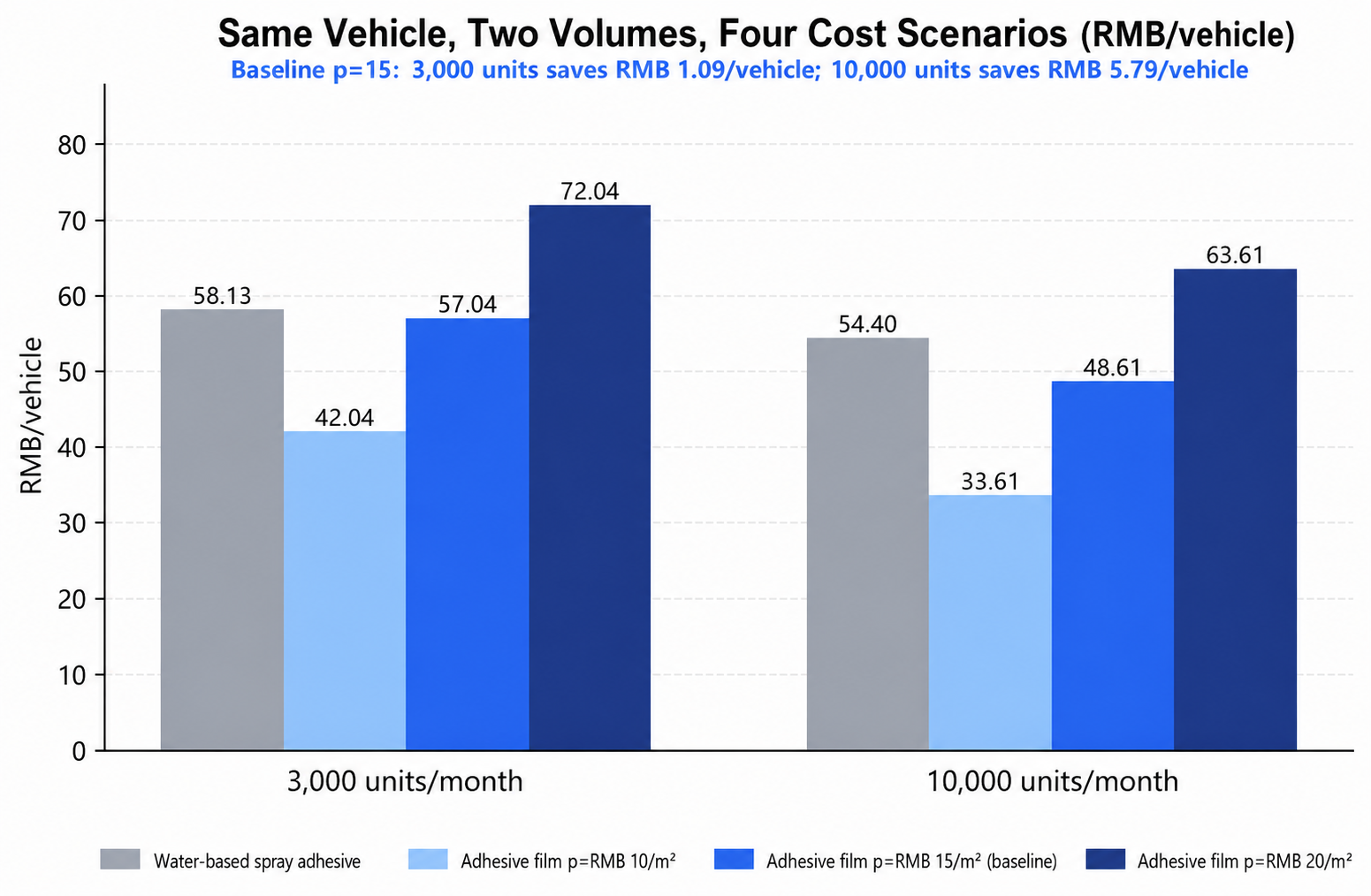
Compare adhesive film and water-based spray adhesive for automotive interiors: total cost, ROI, shared equipment and same-batch A/B trials.
Read article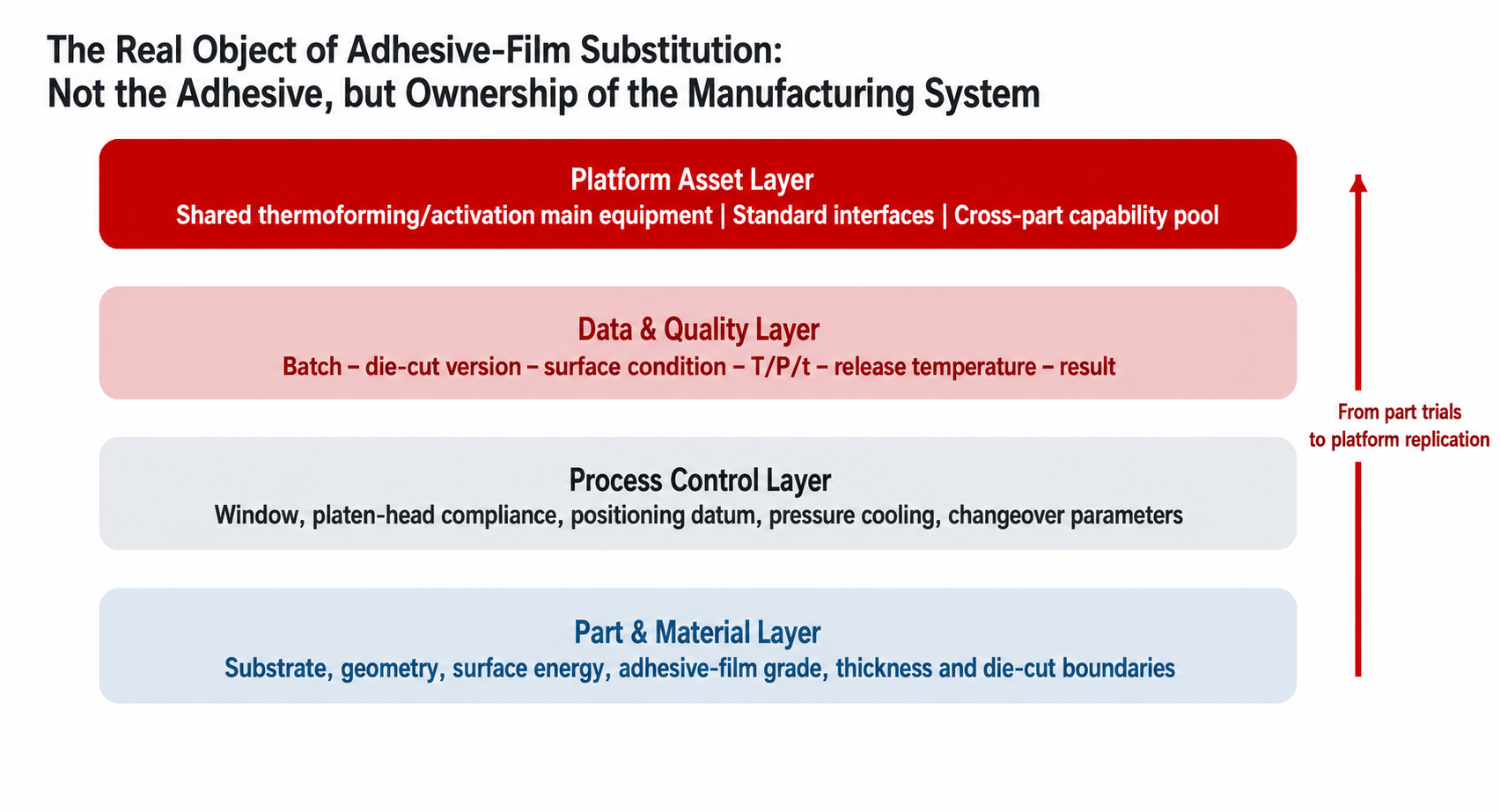
Evaluate an automotive adhesive-film platform through design freeze, investment, traceability, capacity and eight production-release gates.
Read articlePlan headliner adhesive trials with actual fabrics, foams and carriers. Assess early hold, heat creep, humidity aging and final bonding.
Plan headliner adhesive trials using actual fabrics, foams and supporting layers. Record early hold, coating sag, heat creep, humidity aging and final bond performance.
Read the guide →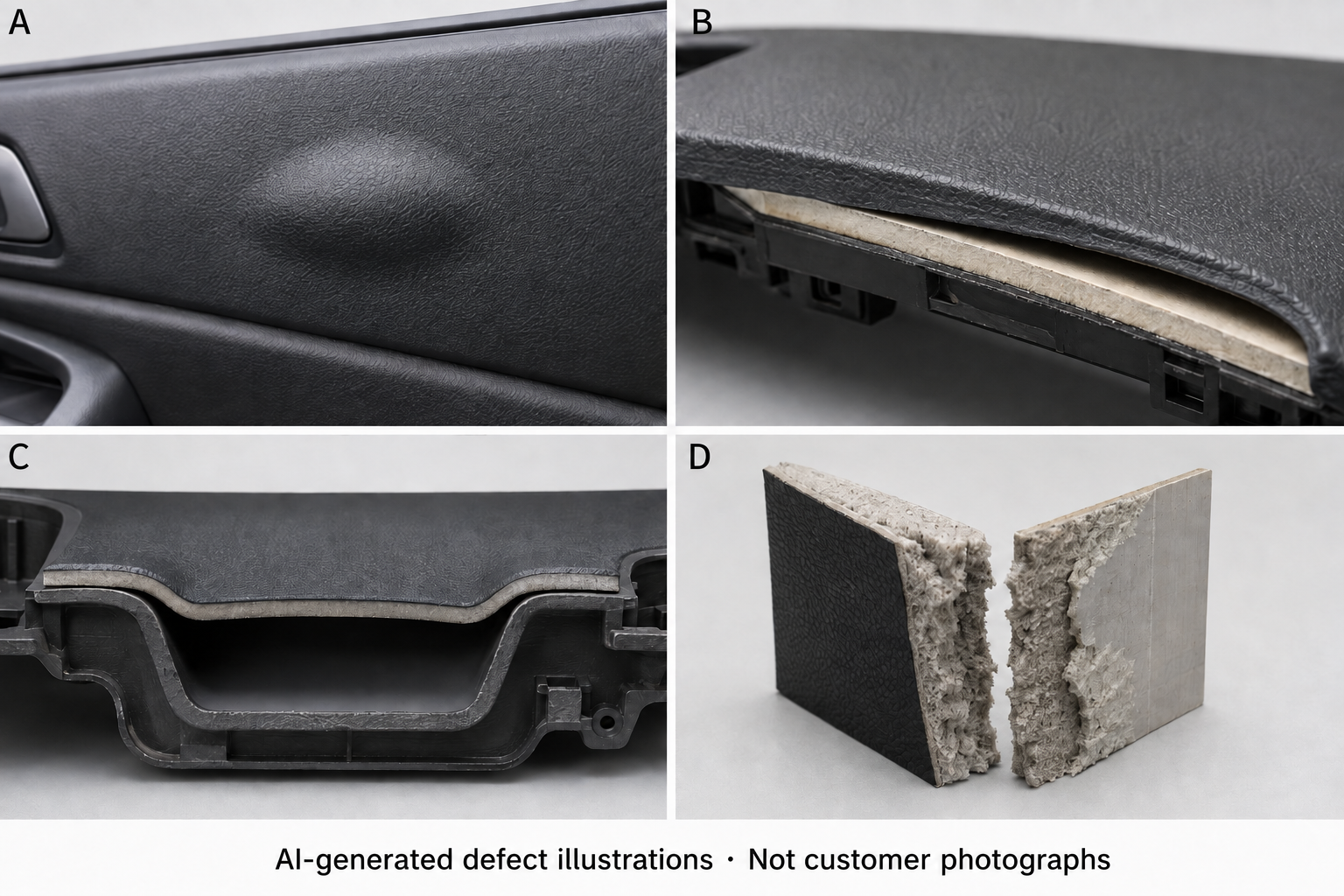
Diagnose interior-wrapping blisters and debonding by timing, location and failure layer. Check materials, surface preparation and drying.
Read full article
Explore water-based PUD process windows for interior wrapping: cold flexibility, drying, vacuum forming and difficult substrates.
Read full articleEvaluate automotive PUD through adhesion, temperature, humidity, appearance, process and odor/VOC. Verify source data for each application.
Read full articleAssess water-based PUD for manual and automated interior wrapping: cold flexibility, activation, vacuum forming and substrate preparation.
Read full articleExplore RELANET automotive PUD materials and processes. Check bonding, durability, odor and VOC against the grade and actual substrates.
Read full articleExplore R-5610 transparent PUD for automotive interiors. Review optical, odor and bonding data, then validate the actual laminate and process.
Read full articleEmail your layer stack, material grades, production process, test targets, company name and business contact details. You can also request the current TDS, SDS or samples.
Email your project requirements →