Which automotive adhesives does RELANET manufacture?
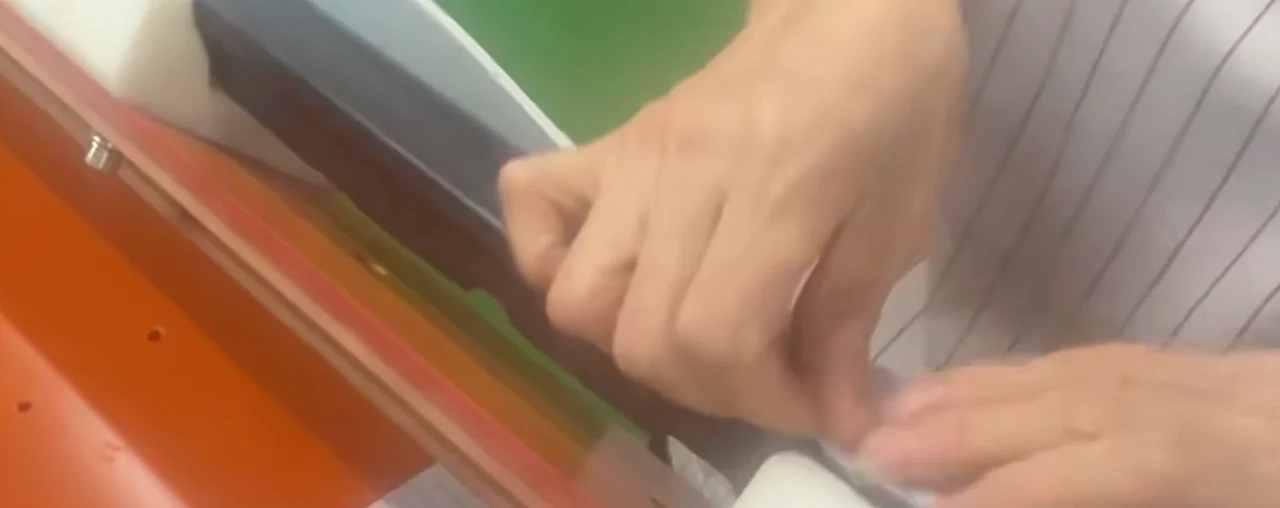
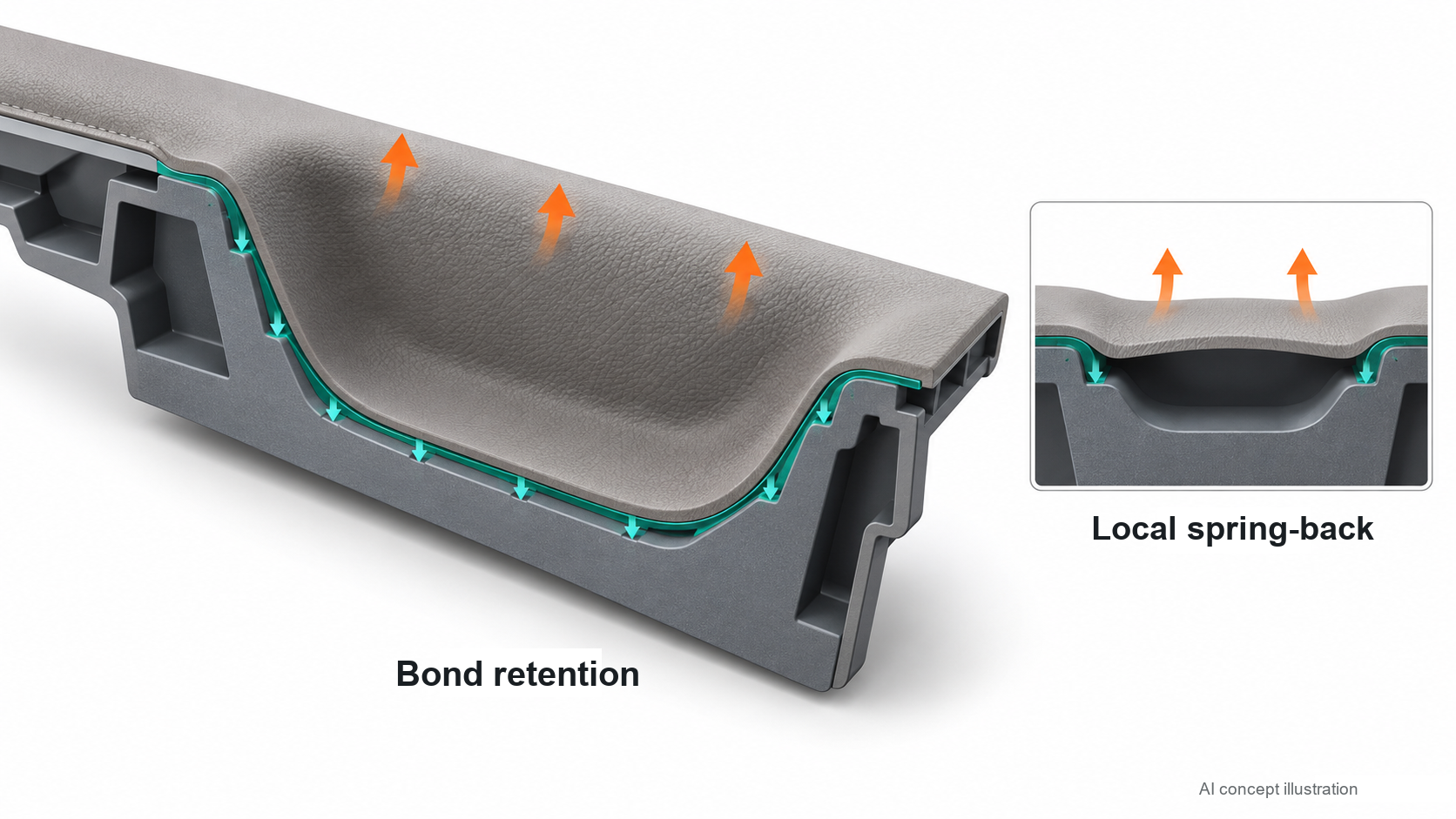
RELANET focuses on automotive interior and exterior bonding. Public product platforms include one-component water-based polychloroprene, water-based PUD, two-component water-based polyurethane, modified polyolefin hot melts, PUR and high-transmission yellowing-resistant adhesive films for door panels, instrument panels, seats, luggage trim, acoustic parts and illuminated interiors.
What is the difference between water-based PUD and PUR?
Water-based PUD uses water as the primary dispersion medium and is generally sprayed, dried, activated and joined. It suits lower-VOC wrapping processes. PUR is a reactive hot-melt applied with heat; it develops handling strength on cooling and continues to cure, making it suitable for automated, heat-resistant or structural applications. Substrates, cycle time, open time, durability and equipment must be evaluated together.
How should I choose between water-based polychloroprene and water-based polyurethane?
For porous materials such as foam, acoustic cotton and fiber felt that need rapid wetting and initial tack, R-5110 is a suitable starting point. For skin-to-carrier interior lamination requiring higher durability or crosslinking, evaluate R-5670 or R-5610. Tests on the actual substrates remain decisive.
Which adhesive is suitable for foam and automotive acoustic components?
R-5110 is a one-component water-based polychloroprene adhesive developed for foam, acoustic cotton, insulation cotton, fiber felt and nonwovens. It can be joined immediately after spraying, with a recommended press time of 1-10 seconds at 20°C. An internal project record covers a Corolla acoustic component; production approval still requires validation for foam density, porosity and coat weight.
Which product is suitable for illuminated automotive interiors?
Evaluate R-5610 when a spray-applied, water-based wrapping adhesive is required. Evaluate RY-10 when a prefabricated film, controlled bond-line thickness and long-term color stability are priorities. Validate transmission, haze, color difference and durability using the real skin, light source, adhesive thickness, carrier and part geometry.
Do PP and IXPP require pretreatment?
Requirements depend on the adhesive and surface. R-5610 data specifies flame treatment of PP and a backing coat on IXPP. R-7110 and R-7206 can directly bond confirmed PP grades on clean surfaces under validated processing conditions without primer, flame or plasma. Omitting activation does not omit cleaning: control release agents, recycled content and contamination, then validate actual-part loads and durability.
What is the difference between R-7110 and R-7206?
Both are modified polyolefin hot melts. R-7110 emphasizes a longer joining window, compatibility evaluation with ABS and untreated PP, and a 90°C heat-resistance target. R-7206 addresses higher-temperature and fixing applications, with a 110°C project target. Select according to actual part load and durability specifications.
How should whitening or increased haze in an optical bond be investigated?
Check bond-line thickness and uniformity, water removal, drying time and temperature, ambient humidity, substrate moisture, spray atomization and material compatibility. Do not mask the issue by increasing temperature alone. Use target coat weight and real substrates, and measure transmission, haze, color difference and peel strength together.
How can I request samples, TDS and SDS documents?
Provide the product model, substrate combination, part location, application equipment, target cycle time and durability standard. Contact the application team at 020-31600614 or [email protected]. Documents and samples are supplied according to project requirements and disclosure scope.
Can website data be used as a production guarantee?
No. Website values support preliminary selection and represent typical TDS, project-sample or defined test conditions. Before production, confirm the latest TDS and SDS, validate peel, heat resistance, humidity aging, thermal cycling, odor and VOC performance on real parts, and obtain customer approval.

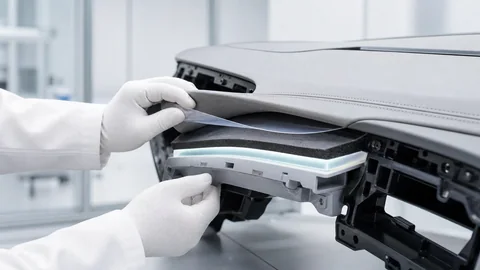 Instrument panel
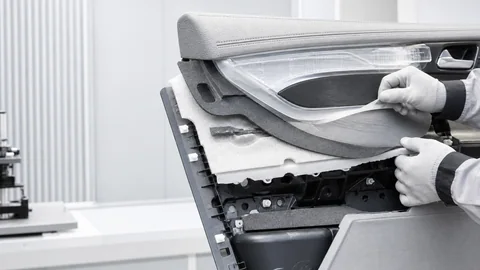 Door trim panel
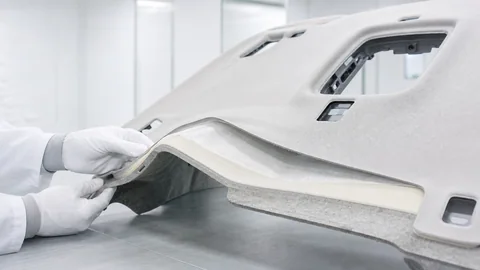 Headliner
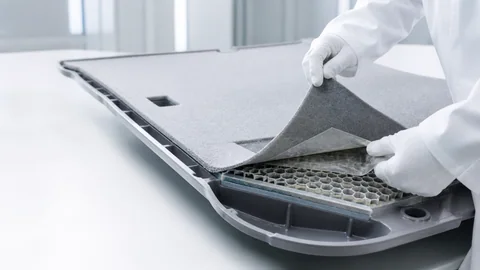 Spare wheel cover